

Rural Relationship Counselling | LGBTQ+ from Home…
Counselling from Home: for couples wanting rural access to counselling by using the technology you both already own! Call into weekly-counselling sessions using your secure (and free) video conferencing app from anywhere that's safe and private. Dean Richardson MNCPS (Accred/Reg) is an unusually qualified therapist having decades of both professional Information Technology and Counselling & Psychotherapy experience. supporting familiar and safe surroundings: your home, office, car or even a park bench. No travel but the same effective service. When you want to access couple counselling remotely, Dean is the experienced professional to trust with your relationship needs - Zoom, Google Meet, WhatsApp Video and other reliable & secure video conferencing apps from home.Counselling from Home 🏡
Nowadays, most of us have at least one video device in our homes: a computer (PC running Windows or Linux, Mac running MacOS, etc), a tablet (iPad, Android) or a Smartphone (iPhone, Android, etc). We can use these devices, along with a secure, free app (Zoom, Meet, WhatsApp, Teams, (the now defunct Skype), etc) to talk with our relationship counsellor in a confidential video therapy session. Plus, we can call in from the outside too: from our office, a hotel, on a walk, even a park bench (while protecting out privacy in public).
- Couple/Throuple/Group Counselling are forms of relationship counselling that are specially attuned to partnerships struggling with conflicts and other difficulties. Such counselling approaches require a particular superset of skills that aren’t generally taught to standard “individual” qualified counsellors.
- Video Conferencing is about using technology to meet with people in locations different to yours.
- Rural Relationship Counselling from Home is about the successful merger of videoconferencing technology with effective relationship counselling.

Meet your Counsellor
Hi! I’m Dean Richardson MNCPS (Accred/Reg) having over 27 years of counselling experience, and now entering my 20th year of my Video Counselling private practice. Having worked professionally in and for Information Technology corporations such as IBM, Microsoft, Borland, Esso (etc) for several decades before becoming a qualified counsellor, I have the unusual – yet assuring – superset of skills that combines professional IT skills with professional counselling skills.
I’ve worked with LGBTQ+ couples in long-distance relationships (where we have called in from 3 separate countries); partners who were temporarily separated (calling in from different homes); throuples where one is at home and the others are travelling on business; and, sometimes, with one partner sat alone outside / in the park after having an argument with their partner.
Welcome to Rural Counselling from Home using the video technology you probably already have in your pocket.
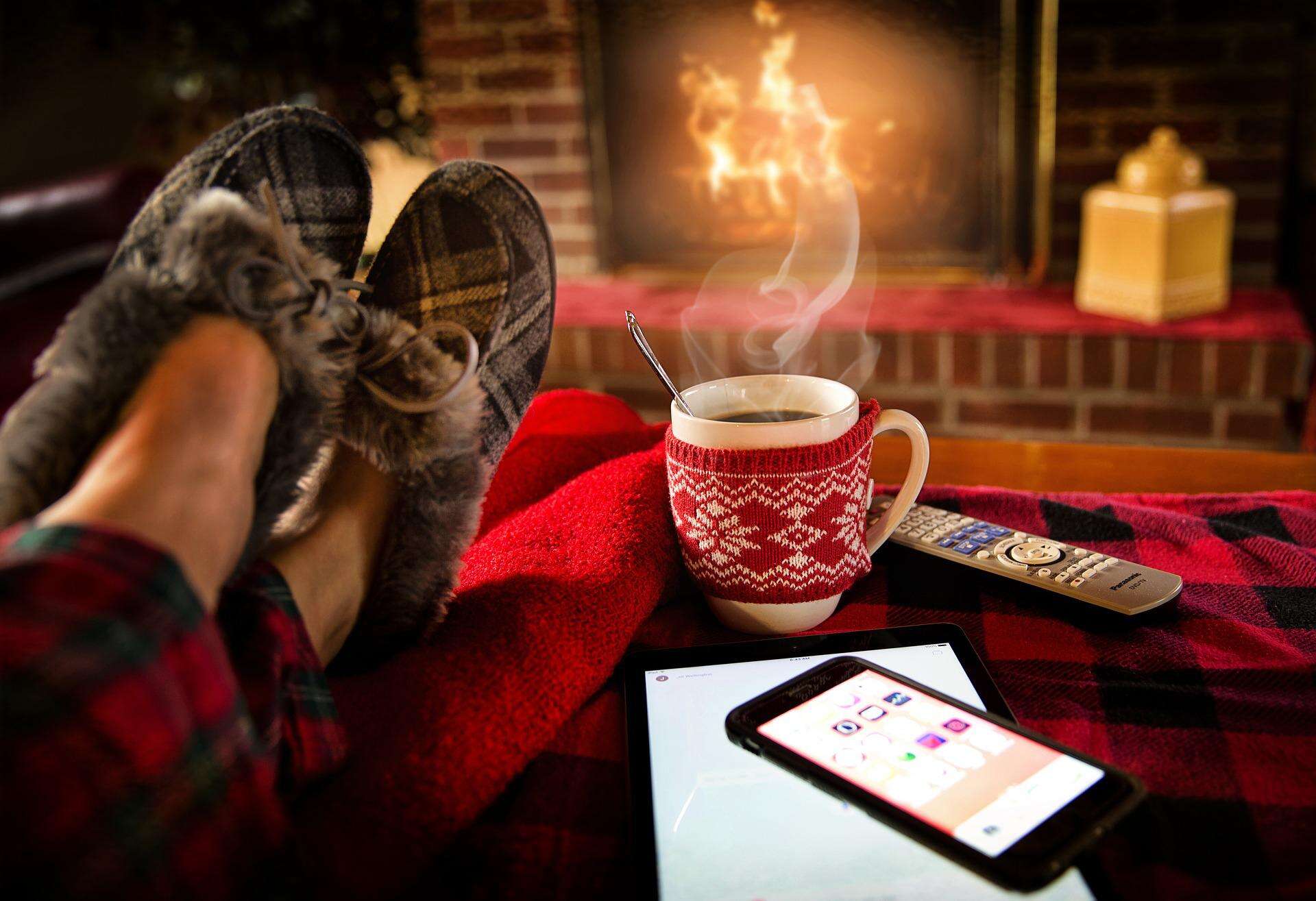
Benefits of Rural Therapy 🌳
You may have recently been considering counselling from home for a gay couple or for another form of intimate partnership.
You live in an area where travelling to a counsellor’s office would be problematic. Staying at home and calling into a counselling session (via a secure, private video service) or from another rural or remote location has several well-established advantages.
Benefits include
- you remaining in the comfort, safety and accessibility of your home (being in familiar surroundings);
- You can call in from the office or car (without travelling to the therapist’s office);
- The costs are regularly lower than in-office counselling; there’s no need to travel (along with associated costs);
- The approach is pro-accessibility, and you won’t be sat in a waiting room for long periods!
Let’s run down these benefits in greater detail:

- Main Benefit: you won’t have to leave home. All preparations and sessions will take place on video (Zoom, WhatsApp, Teams or WhatsApp Video). Neither you nor your partner will have to leave your home. If you prefer, you and your partner may be in separate locations from one another (e.g., one in the office & one at home, or long-distance relationships, etc.); it’s your choice, and we can work with what you need.
- You and your partner don’t (always) have to be in the same location. For example, one of you could call in from home and the other from the office, or one is at home while the other is in a different country. The counselling session works just as well when you’re away from each other as when you’re together. Outdoor calls work well with a good data plan and a strong signal (4G minimum) -using aorund 400-600MB data per 50 minute session.
- This is a good option for individuals living in remote areas. Not that I’m implying locations around Scotland, Devon, Cornwall, Yorkshire (etc.) are remote or rural (ha ha!) But where such places are far away or isolated, then couple counselling from home, with a skilled relationship counsellor, can be your ideal solution.
- No travel restrictions. Removes the worry of lacking reliable transportation to make it to appointments. Similarly, when you do travel, say, for your work, you won’t have to be in the same location to talk with your counsellor and partner.
- Accessibility for personal restrictions. You can call in from a location that’s already been fitted out to suit your personal needs (e.g. physical impairments, agoraphobia, immunocompromise or living as a carer).
- Childcare / At-Home Carers. This service is particularly useful when you are unable to leave your home due to caring for someone else. NB: Infants are best placed in a separate room (e.g., asleep) because sometimes having a child present during counselling can be distracting for the couple (and distressing for the child).
- More approachable. You’ll be in a safe and familiar space whilst working on some difficult or emotionally stressful matters.
- Payable weekly. You will pay for each session in advance by bank transfer, credit/debit card, or PayPal. This arrangement is great for budgeting and avoids surprisingly large invoices at the end of each month.
Not ‘Home-Based’ Counselling 👩⚕️
Counselling services that travel to clients’ homes call themselves Home-Based Counselling.
This counselling service does not visit you in your location. This program is not a peripatetic therapy service.
Dean will not visit your office or house; you won’t have to prepare your house for a visitor/stranger to enter.
Dean’s Experience of Remote Counselling Work
I’ve supported individuals, couples and groups in long-distance relationships; situations where partners are in different locations during the session; individuals who needed to sit in their cars (or on a park bench); and various other remote contexts. Combining my extensive counselling background with technical expertise, I’ve had opportunities to help clients create flexible and effective counselling formats that let them engage in familiar and accessible environments without needing to travel to a counsellor’s office.
Prepare Home Counselling 🧼
Because you’ll be calling in from home, your office or another remote location, you’ll be taking care of some matters that your counsellor would usually do. So, to prepare for Home Couple Counselling here are some brief thoughts about remote video conferencing counselling :-
- You’ll need a decent broadband speed such as a minimum of 3Mbps (down) and 2Mbps (up) (read about broadband speeds for video counselling here).
- Video counselling works with a Smartphone/Tablet Data Plan (recommended 3G minimum) when you’re an area with a strong signal.
- You’ll be using one video device per person (even when you’re calling in from the same location as each other). Read more about one device per partner here.
- Make sure you’re environment is quiet and that your privacy won’t be disturbed (put a note on the outside of your room door if that helps).
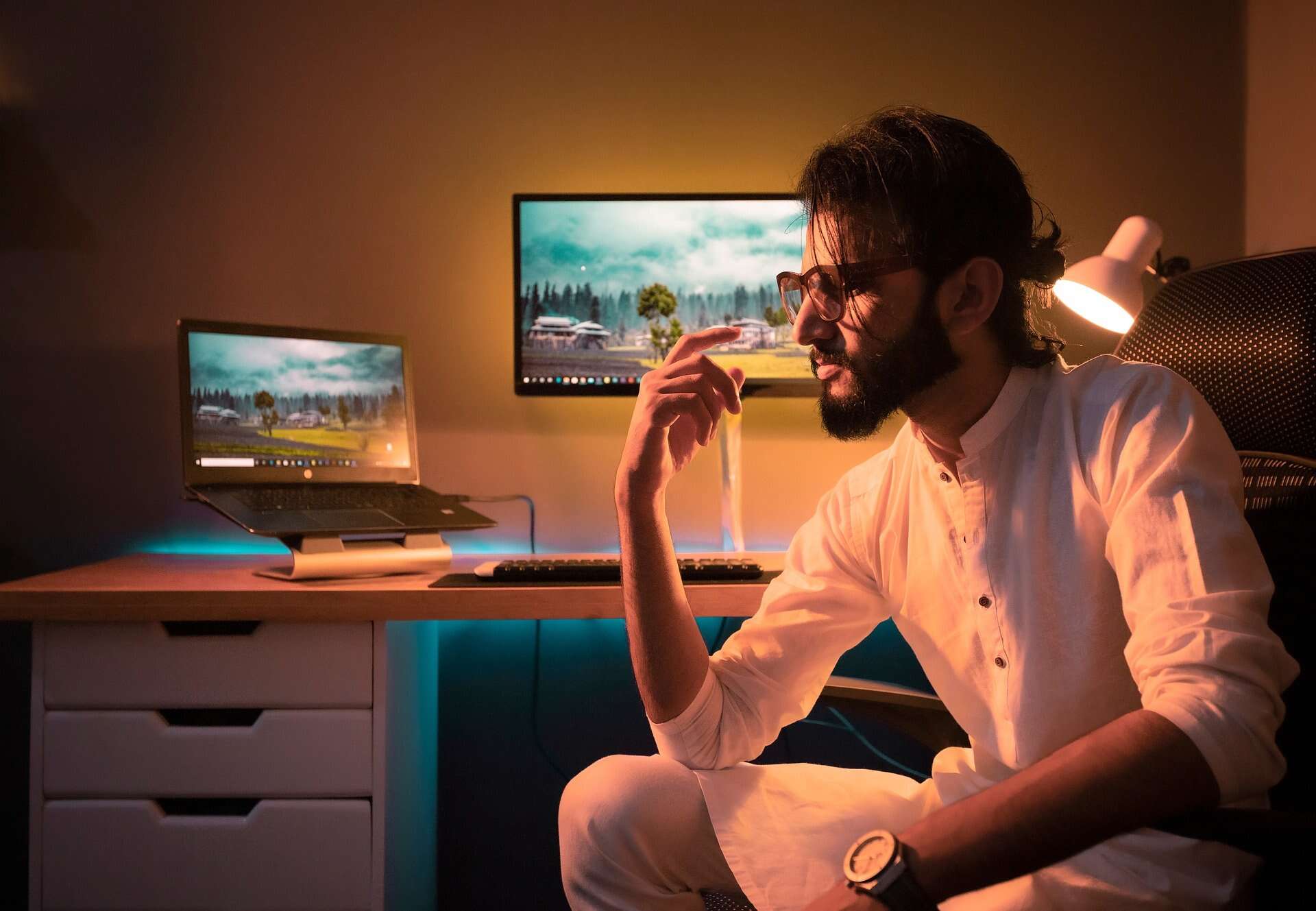
Before each Counselling Session
Several minutes before a session is due to begin:-
- Prepare for your needs: tissues, a glass of water, heating/cooling etc.
- Turn on your video device and connect your counselling room or waiting room*.
- Position yourself comfortably in front of your video camera, well lit, making sure the camera is at eye-level if possible**
- Send your session fee via PayPal, card or bank transfer, if you’ve not already done so*.
You’re now ready!
Your counsellor will begin the session at the agreed time.
* You will have been sent these details during your initial conversations with your counsellor.
** Though you may not be consciously aware of it, if your camera is not at eye level you will either be looking up or down at your counsellor (and your partner on the other video connection) which can sometimes give-off awkward social cues (think: “looking down at someone”).
Your Privacy and Safety
It's worth mentioning that not all locations outside your home are secured for video counselling.
Calling into a session from a public place like a cafe, pub, or bar risks loss of privacy and confidentiality; it makes it harder to speak openly and honestly; and it introduces distractions that can undermine the focus and emotional safety needed for effective therapy
Below I highlight safe and unsafe locations for remote video counselling.
Safe Locations for Counselling
- Clients call in from their home (or other private building), sitting in different rooms or together using the one camera.
- Clients call in from a park bench or from their car in a private car park with few or no other people around.
- You've booked a workplace office that won't be accessed by anyone else during your session time.
- A study room booked at, say, a local library.
Unsafe Locations for Counselling
- A public service location such as a public house (a bar), a cafe, restaurant, a motorway service station, etc.
- A park or other outdoor location where people are regularly passing you.
- An office with other co-workers, an open-plan working space, or a space in your work area that's placed "a little away" from others.
- Use public transportation such as a bus, a car or a taxi.
- Your car while driving.
- Your gym or leisure centre.
- Yours, a friend’s or family member’s home or any shared accommodation where there are people around who risk disturbing you (maybe place a note on your room's door).
- A shopping centre.
- Any location with a poor data connection.
Further information to help…
 Fareham LGBTQ+ Relationship Counselling (Hampshire)
 Portsmouth LGBTQ+ Relationship Counselling (Hampshire)
 Bournemouth LGBTQ+ Relationship Counselling (Dorset)
 Waterlooville LGBTQ+ Relationship Counselling (Hampshire)
 Havant LGBTQ+ Relationship Counselling (Hampshire)
 LGBTQ+ Relationship Therapy Services
Got a Question about LGBT/QIA+ Counselling?
Come and ask... whatever question you have about couple and/or group counselling for gay, lesbian, bisexual, aromatic, asexual and mixed-orientation relationships you might have, get in touch today to discuss your needs…
Private Counselling Services Designed for the LGBTQ+ Community. Available Exclusively to Gay, Lesbian, Bisexual, ASexual, ARomantic, Mixed & Queer Couples, and Established Polyamorous Groups - serving the UK Nationwide over Zoom, Microsoft Teams, Google Meet & WhatsApp Video, reaching locations in and around central Havant, Petersfield to Waterlooville, Cosham to Portsmouth & Southsea, Southampton to Chichester, Fareham to Gosport, Hayling Island, Emsworth, Westbourne, Rowland's Castle, local residents anywhere in between and regularly further afield!